


The Complete Beginner's Guide to Retro Stockings
Everything you need to know about vintage-inspired hosiery, denier, seams, garter belts, and creating an authentic 1940s or 1950s look.
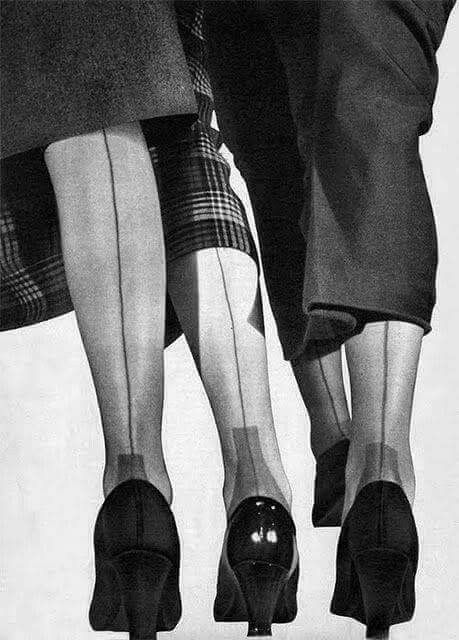
Whether you're just beginning your vintage fashion journey or looking to add more authenticity to your wardrobe, retro stockings are one of the simplest ways to elevate a classic outfit.
Yet for many beginners, stockings can also feel surprisingly confusing.
What is denier? Do you need a garter belt? What's the difference between seamed and seamless stockings? And did women really wear foundation garments under their clothes every day?
The good news is that you don't need to know everything at once. Understanding a few key basics will help you choose the right hosiery and create a polished retro look with confidence.
Why Stockings Were So Important in the 1940s and 1950s
Before the widespread popularity of pantyhose in the 1960s, stockings were considered an essential part of a lady's wardrobe.
Women routinely wore them with dresses, skirts, church outfits, office attire, and evening wear. A bare leg was often considered unfinished, especially for formal occasions.
Stockings not only completed an outfit but also helped create the polished, elegant appearance associated with mid-century fashion.
Today, many vintage enthusiasts continue to wear stockings because they instantly add authenticity and sophistication to a retro-inspired look.
Stockings vs Modern Tights
One of the first things beginners notice is that stockings are different from modern tights.
Traditional stockings cover the foot and leg but stop at the upper thigh. They are typically held in place by a garter belt, suspender belt, or other foundation garment.
Tights, on the other hand, combine stockings and undergarments into a single garment.
While modern tights are practical, stockings often provide a more authentic vintage appearance and are preferred by many retro fashion enthusiasts.
Seamed vs Seamless Stockings
When shopping for retro hosiery, you'll quickly encounter two common styles.
Seamed Stockings
Seamed stockings feature a visible seam running up the back of the leg.
These are strongly associated with the 1940s and early 1950s and remain one of the most recognisable elements of vintage fashion.
Many women love the elegant appearance of a properly aligned seam, particularly when paired with pencil skirts, wiggle dresses, or evening wear.
Seamless Stockings
Seamless stockings became increasingly common during the 1950s and offered a smoother appearance without the visible back seam.
They still provide a classic vintage look while often being easier for beginners to wear.
There is no right or wrong choice. Both styles can be historically appropriate depending on the period and look you wish to achieve.
The introduction of nylon stockings revolutionized women's fashion. First introduced by DuPont in 1939, nylon quickly became one of the most sought-after products in America. During World War II, nylon production was redirected toward military needs, creating shortages that led many women to carefully preserve existing stockings—or even draw seams on their legs to mimic the look.

Understanding Denier
One of the most important terms you'll encounter when buying hosiery is denier.
Denier refers to the thickness of the stocking yarn. Lower denier stockings are generally sheerer and lighter, while higher denier stockings provide greater coverage and durability.
Understanding denier helps determine how sheer, opaque, delicate, or durable your stockings will appear.
Rather than covering every detail here, we've created a dedicated guide that explains denier in depth.
Related Reading: What's Denier? A Guide to 1950s Stockings
Choosing Stockings for 1950s Fashion
The best stockings for your outfit often depend on the overall style you're trying to achieve.
For example:
Swing dresses often pair beautifully with sheer nude stockings.
Wiggle dresses can look stunning with seamed hosiery.
Day dresses typically work well with neutral shades.
Evening wear may call for darker or more dramatic hosiery choices.
Stockings should complement your outfit rather than dominate it.
If you're still exploring vintage fashion as a whole, our 1950s Fashion Guide provides an excellent overview of the styles, silhouettes, and wardrobe essentials that defined the decade.
Matching Stockings to Retro Outfits
Choosing the right stockings is only part of the equation.
The most successful vintage looks consider how hosiery works alongside dresses, shoes, accessories, and overall styling.
Beginners often focus heavily on finding the perfect dress while overlooking the details that help create a cohesive look.
Stockings can subtly influence the appearance of your entire outfit by adding elegance, shaping the visual line of the leg, and reinforcing the era you're trying to recreate.
For additional styling ideas, see our guide:
Related Reading: How to Wear Classic 50s Styles

Do You Need a Garter Belt?
This is one of the most common questions among newcomers to vintage fashion.
Traditional stockings were typically secured using garter belts or suspender belts. Small clips attached the stockings to the garment, keeping them comfortably in place throughout the day.
Today, many women still enjoy wearing traditional stockings with garter belts, while others prefer modern hold-up stockings that use silicone bands to remain in position.
If authenticity is important to you, a garter belt remains one of the easiest ways to recreate the experience of wearing vintage hosiery.
Foundation Garments and Retro Fashion
When discussing stockings, it's impossible to ignore the role of foundation garments.
Many of the iconic silhouettes associated with the 1940s and 1950s were achieved with the help of carefully designed undergarments.
Depending on the outfit, women might wear:
Girdles
Open-bottom girdles
Longline bras
Waist cinchers
Shaping garments
These pieces helped create the smooth lines and structured silhouettes that vintage clothing was designed around.
If you've ever wondered why certain vintage dresses don't seem to fit quite the same way on a modern figure, foundation garments are often part of the answer.
For a more detailed look at vintage shapewear and how it was worn, see:
Related Reading: Best Foundation Garments Under Retro Clothes
Rago and the Legacy of Foundation Wear
One name that frequently appears in discussions of vintage shapewear is Rago.
Unlike many brands that have entered the retro market in recent years, Rago has a genuine connection to the history of foundation garments. The company has been producing shaping garments for generations and remains one of the most recognised names among vintage fashion enthusiasts today.
Their girdles, open-bottom girdles, and shaping garments continue to be popular with women seeking an authentic mid-century silhouette beneath vintage and vintage-inspired clothing.
If you're interested in the fascinating history of the company and its enduring place in retro fashion, be sure to read:
Related Reading: Rago Foundation Wear: Shaping the 1940s and Beyond
Where to Find Retro Hosiery and Foundation Wear
Fortunately, vintage-inspired hosiery is easier to find today than it has been in decades.
Many retailers offer:
Seamed stockings
Seamless stockings
Nude hosiery
Vintage-inspired colours
Garter belts
Foundation garments
When shopping, focus on quality, comfort, and finding pieces that suit both your wardrobe and lifestyle.
For beginners, starting with a classic nude stocking and a versatile foundation garment is often the easiest approach.
Common Retro Stocking Mistakes
Most beginners make a few mistakes while learning the ropes.
Common examples include:
Choosing the wrong denier for the outfit
Wearing stockings that are too opaque
Selecting shades that clash with the outfit
Ignoring the role of foundation garments
Assuming seamed stockings are required for every vintage look
Fortunately, these are easy issues to correct as your confidence grows.

Final Thoughts
Retro stockings may seem like a small detail, but they play a surprisingly important role in vintage fashion.
Whether you choose seamed or seamless styles, prefer traditional garter belts or modern alternatives, or decide to explore foundation garments and authentic shapewear, understanding the basics can help you create a more polished and authentic look.
Like many aspects of vintage fashion, the beauty is found in the details. And once you begin exploring the world of retro hosiery, you'll discover that stockings are far more than a practical accessory—they're part of the timeless elegance that continues to make vintage style so enduringly appealing.


Comments