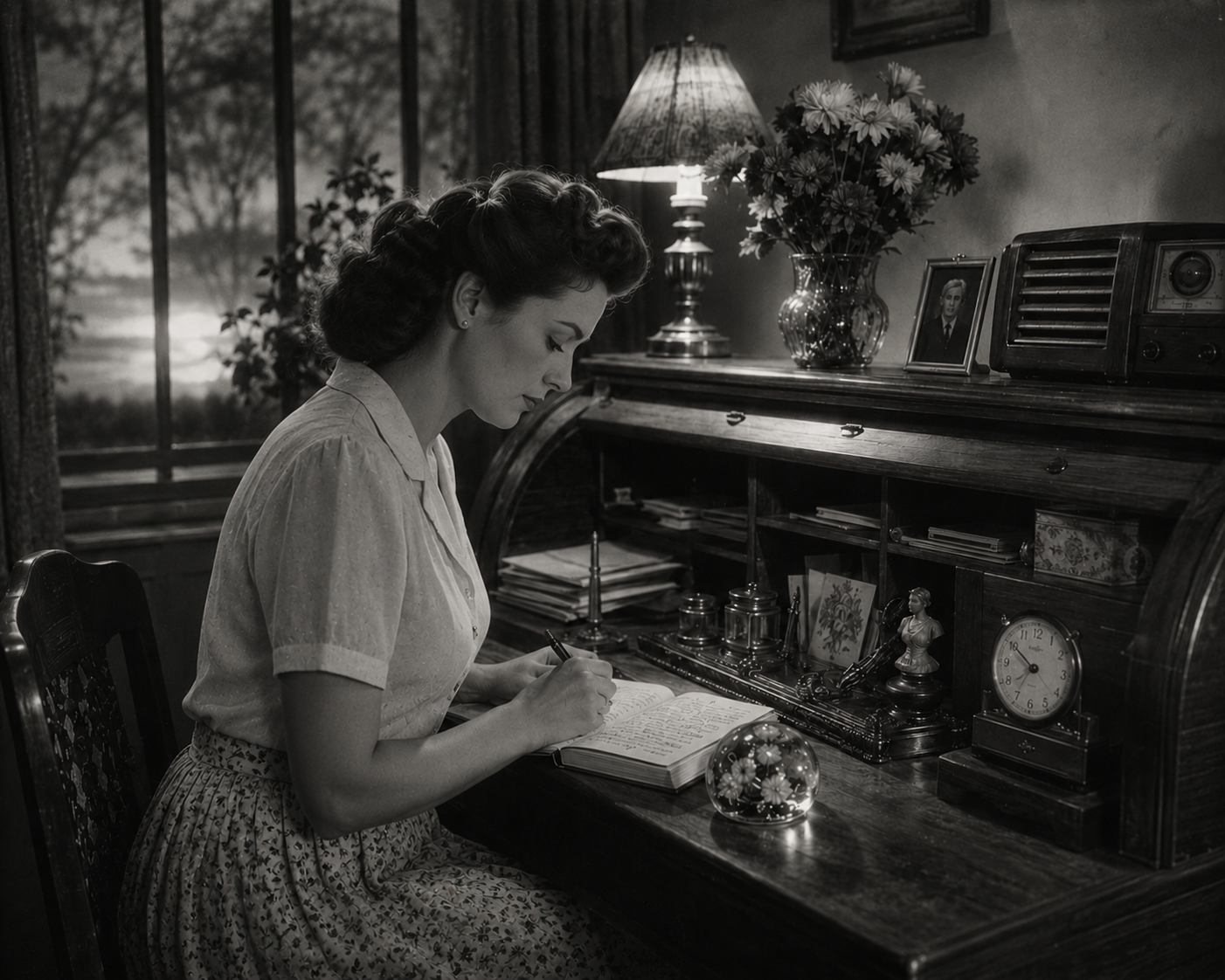


How Barbie Became a 1950s Icon and Influenced Fashion and Young Women
Barbie is more than just a doll; she is a cultural symbol that shaped the way young girls saw themselves and the world around them. Introduced in 1959, Barbie quickly became an icon of the 1950s, reflecting and influencing fashion trends and the aspirations of girls during that era. This post explores how Barbie emerged as a 1950s icon and the lasting impact she had on fashion and the lives of young women.
The Birth of Barbie and the 1950s Cultural Context
Barbie was created by Ruth Handler, co-founder of Mattel, who noticed that her daughter preferred playing with paper dolls that resembled adults rather than baby dolls. This insight led to the creation of Barbie, a doll that represented a teenage fashion model rather than a baby or toddler. Barbie’s debut at the New York Toy Fair in 1959 marked a shift in the toy industry and in the way girls played.
The 1950s was a decade defined by post-war optimism, economic growth, and a focus on domestic life. Fashion reflected this with elegant, feminine styles featuring full skirts, cinched waists, and polished looks. Barbie embodied these ideals, presenting a glamorous and aspirational image that resonated with young girls and their parents.
Barbie’s Fashion as a Reflection of 1950s Style
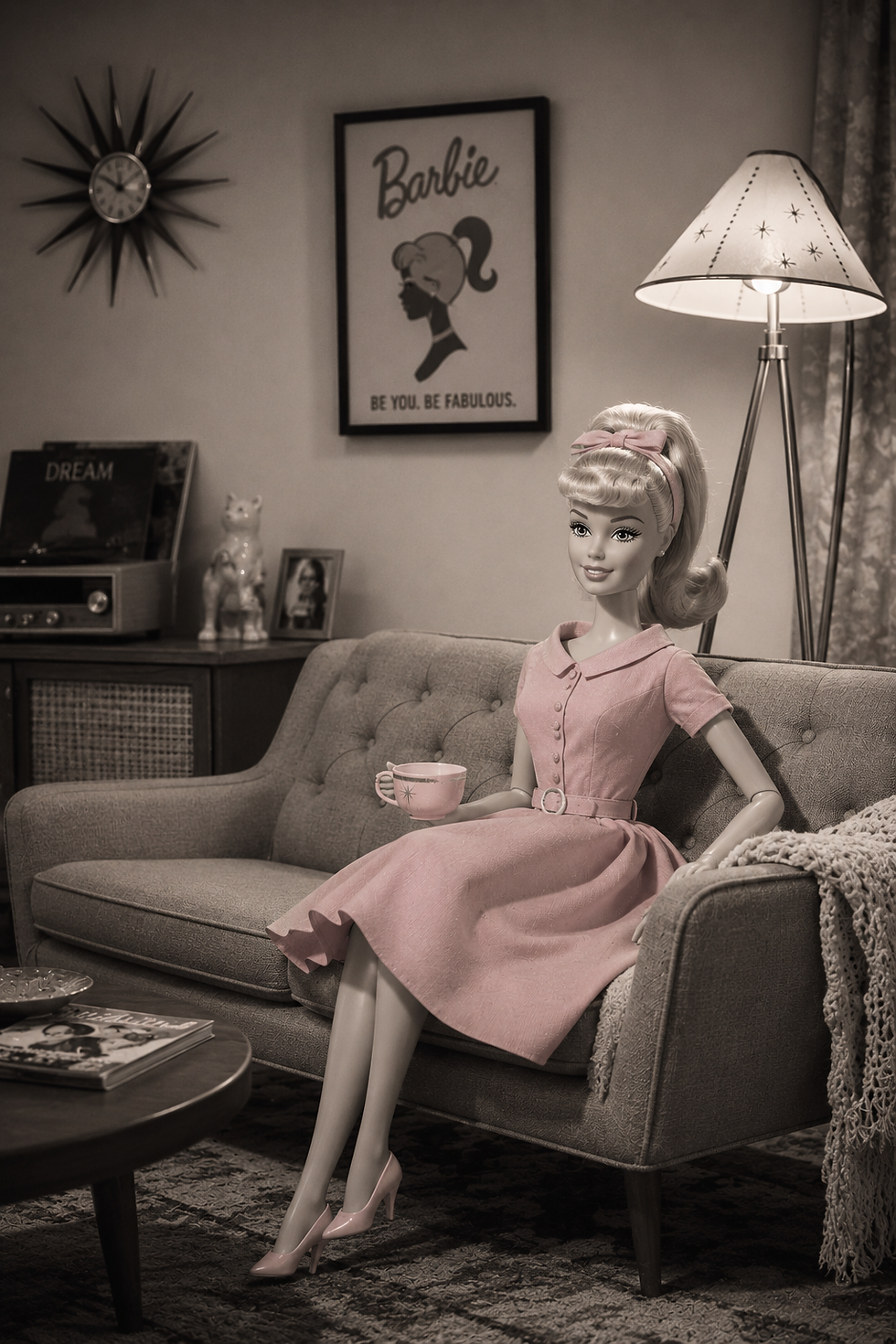
Barbie’s wardrobe was a direct reflection of the fashion trends of the 1950s. Her first outfit, a black and white zebra-striped swimsuit, was bold and modern, signaling a new kind of confidence for young girls. Over time, Barbie’s clothing included:
Full-skirted dresses with petticoats, echoing the popular New Look silhouette made famous by Christian Dior.
Elegant evening gowns that showcased sophistication and glamour.
Casual wear like capri pants and sweaters, reflecting the growing leisure culture.
Accessories such as pearl necklaces, gloves, and high heels that completed the polished look.
Barbie’s fashion choices gave girls a way to explore style and self-expression. The doll’s changing wardrobe encouraged creativity and imagination, allowing girls to envision themselves in different roles and settings.
How Barbie Influenced Young Girls’ Aspirations
Barbie was more than a fashion icon; she was a symbol of possibility. At a time when women’s roles were largely confined to the home, Barbie offered a glimpse of independence and ambition. She was introduced with careers like a fashion model and later expanded to roles such as a nurse, teacher, and astronaut.
This variety of roles helped girls imagine futures beyond traditional expectations. Barbie’s glamorous image combined with her career options inspired many to think about their own potential and dreams.
The Role of Barbie in Shaping Gender Norms and Identity
While Barbie reinforced some traditional gender norms of the 1950s, such as an emphasis on appearance and femininity, she also challenged others by presenting a confident, independent female figure. Girls could see Barbie as a role model who was stylish yet capable.
Barbie’s influence extended to how girls viewed their bodies and self-image. The doll’s proportions and style set beauty standards that have been both celebrated and critiqued over the years. In the 1950s, Barbie’s slim figure and fashionable clothes aligned with the era’s ideals of beauty and elegance.
Barbie’s Impact on the Toy Industry and Popular Culture
Barbie’s success changed the toy industry by creating a new category of dolls focused on fashion and adult roles. She paved the way for countless dolls and toys that encouraged imaginative play centered on lifestyle and identity.
In popular culture, Barbie became a symbol of the 1950s and beyond. She appeared in magazines, television shows, and advertisements, reinforcing her status as a cultural icon. Barbie’s image helped define the decade’s aesthetic and values for generations of girls.
Lasting Legacy of Barbie’s 1950s Influence
The impact of Barbie as a 1950s icon continues today. Her early fashion and career choices laid the groundwork for ongoing conversations about women, their identity, and representation in toys. Barbie’s evolution reflects changing social attitudes, but her roots in the 1950s remain a key part of her story.
For young girls in the 1950s, Barbie was a window into a stylish, aspirational world. She shaped how they thought about fashion, careers, and themselves. This legacy makes Barbie a unique figure in both fashion history and the cultural development of young women.


Comments